Why Knee and Back Pain Is Rising Among Young Professionals in Nagpur
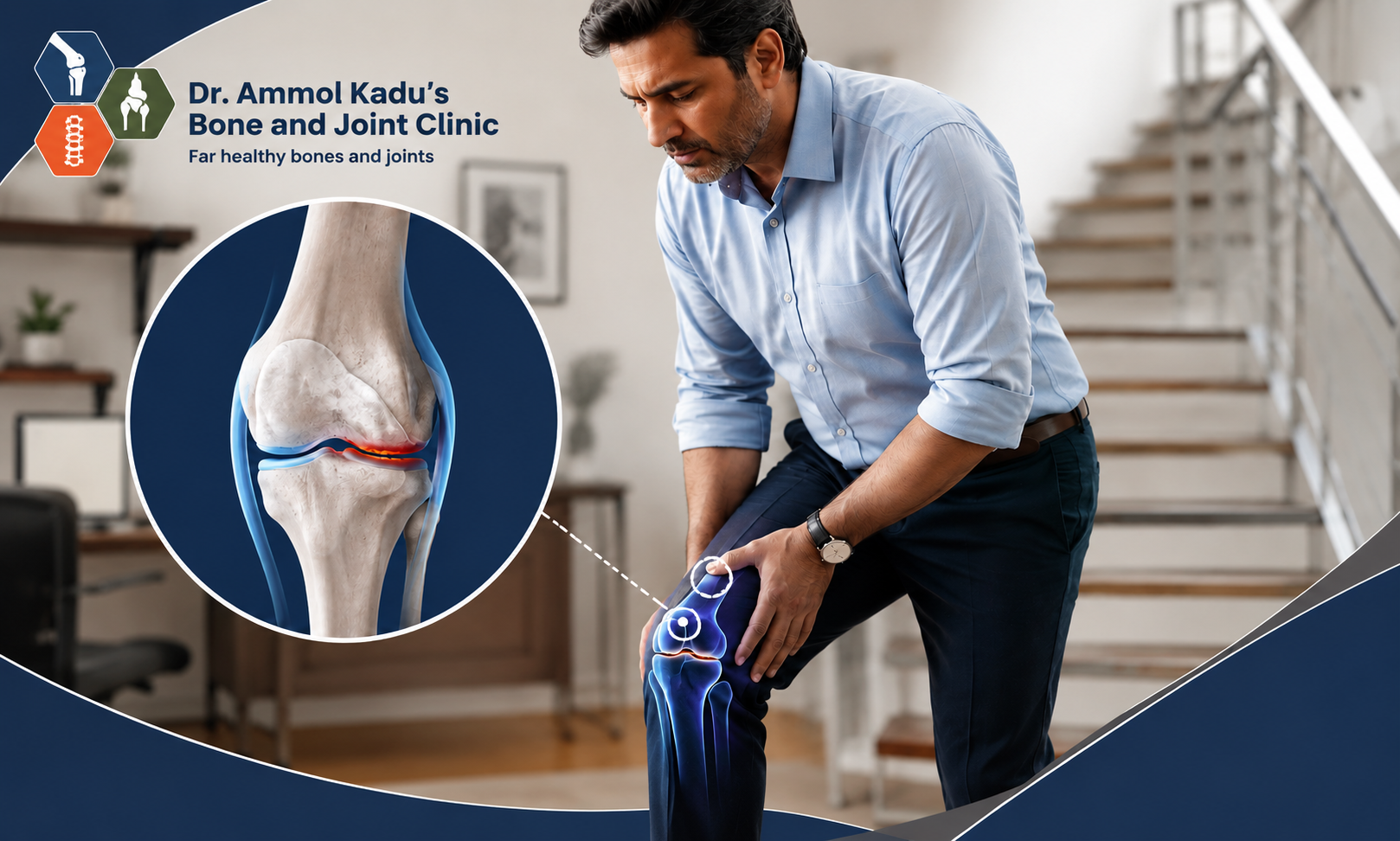
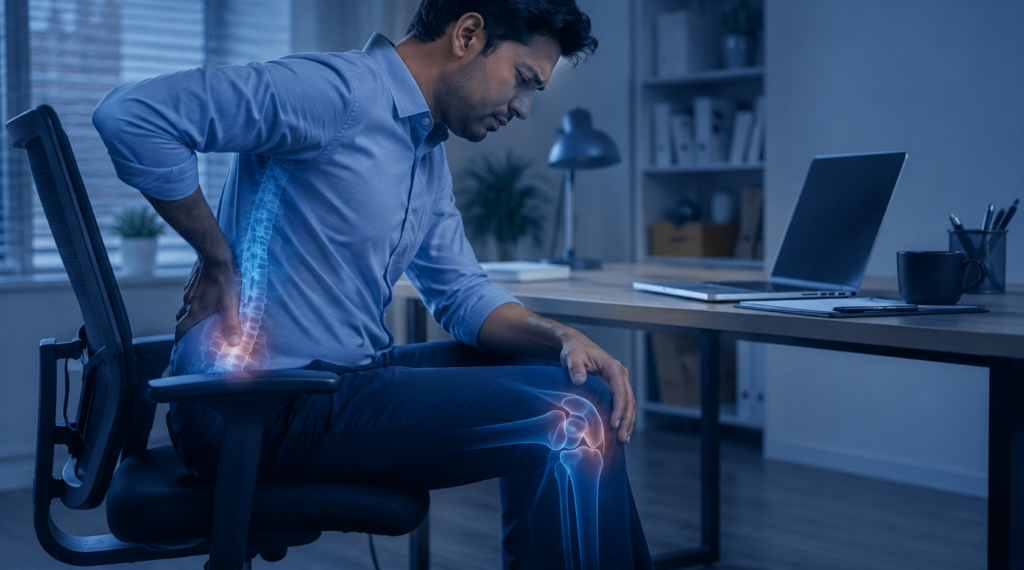
If you’re in your 20s or 30s and already dealing with a stiff back or aching knees by the end of the workday, you’re not alone. Across Nagpur, more and more young professionals are walking into orthopaedic clinics with complaints that used to be common only in older adults. Long hours at a desk, back-to-back video calls, and barely any movement through the day are quietly taking a toll on the body. This growing pattern of knee and back pain in young professionals isn’t just an occasional ache for many, it’s becoming a daily struggle that affects focus, mood, and quality of life. In this blog, we’ll break down why this is happening, what signs you shouldn’t ignore, and what you can actually do about it.
Why More Young People Are Getting Joint and Muscle Pain
A decade ago, back and knee pain was mostly associated with age or heavy physical labour. Today, that picture has changed. Clinics are seeing a steady rise in joint and muscle problems in IT professionals, consultants, customer support executives, and anyone whose job involves sitting for extended hours. Desk-based careers have grown rapidly in Nagpur, and with them, a new kind of physical strain, one caused not by overwork of the muscles, but by their underuse. The body is built to move, and when it doesn’t, joints stiffen, muscles weaken, and small imperfections in posture slowly turn into chronic pain.
Top Reasons Why Young Professionals Are Experiencing Knee and Back Pain :
1. Sedentary Lifestyle and Long Sitting Hours
Sitting eight to ten hours daily with few breaks explains how sitting all day causes back pain; it pressures lower back discs, weakens supporting muscles, and leads to stiffness and chronic pain.
2. Poor Posture at Workstations
Slouched shoulders and unsupported backs are common without ergonomic furniture. These posture problems in young adults stress the spine and knees, often unnoticed until pain becomes hard to ignore.
3. Lack of Physical Activity and Exercise
Long work hours push exercise aside, weakening core muscles and hip flexors. This adds strain to the lower back and knees, increasing the risk of pain and injury.
4. Increased Screen Time and Work-from-Home Culture
Working from beds or sofas without support has increased work from home back pain, as poor posture places constant stress on the spine and knees.
5. Wrong Footwear and Body Mechanics
Footwear lacking arch support shifts weight distribution through the knees and lower back, quietly worsening existing joint strain over time.
6. Stress and Its Physical Impact on the Body
Chronic work stress keeps neck, shoulder, and lower back muscles tense — a commonly overlooked factor behind persistent back pain.
How Knee and Back Pain Affects Daily Life for Young Adults
For many young professionals, this isn’t just occasional discomfort; it gradually creeps into everyday life in ways that are easy to overlook at first. Left unaddressed, it can quietly affect both work and personal wellbeing.
Here’s how it commonly shows up:
- Reduced work productivity – harder to focus during long meetings or tasks
- Disturbed sleep – difficulty finding a comfortable position at night
- Difficulty with movement – stairs, bending, or standing up feel harder
- Avoiding exercise – reduced activity that weakens muscles further
- Mood and stress – constant pain leads to irritability and low focus
- Social withdrawal – skipping outings or events due to discomfort
Left unmanaged, this cycle tends to reinforce itself, pain leads to inactivity, and inactivity leads to more pain. Recognizing these effects early is often the first step toward breaking the pattern.
Warning Signs You Shouldn’t Ignore
Occasional stiffness after a long day is normal. But certain symptoms indicate it’s time to pay closer attention, including some early signs of early arthritis in young adults:
- Pain that lasts more than two weeks despite rest
- Stiffness that is worse in the morning and improves through the day
- A clicking, grinding, or popping sensation in the knees
- Numbness or tingling that spreads into the legs
- Pain that disturbs sleep or limits daily activities
- Swelling around the knee joint
If you notice any of these, it’s a sign the issue has moved beyond simple fatigue and deserves proper evaluation.
Can Young Adults Develop Arthritis?
Yes, arthritis in young adults is more common than most people realize. Constant sitting, poor posture, and weak joint-supporting muscles can cause early wear and tear, sometimes appearing as early as the mid-20s or 30s. This is usually linked to lifestyle habits rather than natural aging, so symptoms like morning stiffness or joint clicking shouldn’t be ignored. Catching it early makes treatment simpler and more effective.
How Office Ergonomics Can Help Prevent Pain
Good news most of this pain is preventable with a few thoughtful changes. Practicing better office ergonomics to reduce back and knee pain doesn’t require an expensive setup, just some awareness:
- Keep your chair height adjusted so your feet rest flat on the floor
- Position your monitor at eye level to avoid neck strain
- Use a chair with proper lower back support, or add a cushion if needed
- Keep your knees at a 90-degree angle while seated
- Take a short 2-3 minute movement break every hour
- Avoid working from bed or a low sofa for extended periods
Small adjustments like these, done consistently, can significantly reduce the daily strain on your spine and joints.
Simple Exercises and Stretches for Relief
Along with better ergonomics, a few exercises for back pain relief for IT professionals can go a long way in easing tension and rebuilding strength:
- Cat-cow stretch – gently mobilizes the spine and relieves stiffness
- Knee-to-chest stretch – releases tension in the lower back
- Wall sits – strengthens the knees and thighs without added strain
- Bridge pose – activates the core and supports the lower back
- Standing hamstring stretch – loosens tight muscles that pull on the lower back
- Short walking breaks – keeps the joints moving and prevents stiffness
These don’t need to take more than 10-15 minutes a day, and can be done right at your desk or at home.
When Should You Consult a Doctor?
Stretching and posture fixes help, but they aren’t a substitute for professional care when pain becomes persistent. It’s worth understanding when to see a doctor for knee pain in your 20s generally, if pain lasts beyond two to three weeks, keeps returning, or starts affecting your ability to work, walk, or sleep, it’s time to get it checked. Early diagnosis often means simpler, faster treatment, while ignoring symptoms for too long can allow minor issues to develop into more serious joint or spinal conditions. If you’re searching for the best orthopedic doctor for back pain in Nagpur, look for a specialist who takes time to understand your lifestyle and daily routine, not just your symptoms since for young professionals, the real cause is often rooted in daily habits rather than any single injury.
How to Choose the Right Doctor for Knee and Back Pain
Getting the right diagnosis starts with choosing the right doctor. Not every consultation leads to the same outcome, and picking a specialist who understands both your condition and your lifestyle can make a significant difference in how quickly and effectively you recover. If you’re searching for the best orthopedic doctor for back pain in Nagpur, here’s what to look for in a specialist before booking your consultation.
- Experienced specialist – MS Orthopaedics (IGGMC, Nagpur), 200+ joint replacements performed
- Internationally trained – Fellowship in joint replacement surgery from Germany
- Highest partial knee replacements – Most in Central India
- Lifestyle-focused care – Looks at posture and daily routine, not just symptoms
- Non-surgical treatment first – Surgery only when truly necessary
- Clear communication – Detailed, patient-friendly consultations
- Convenient location – Easily accessible clinic in Khamla, Nagpur
If knee or back pain has been affecting your daily routine, consulting an experienced specialist like Dr. Amol Kadu at his Bone & Joint Clinic in Nagpur can help you get an accurate diagnosis and the right treatment plan early — before the problem progresses further.
FAQs:
Q1. Why are young professionals getting knee and back pain these days?
It’s mainly linked to long sitting hours, poor posture, lack of physical activity, and increased screen time from desk jobs and work-from-home routines. These daily habits gradually strain the spine and knee joints.
Q2. Is back pain from sitting all day reversible?
Yes, in most cases. With better posture, ergonomic adjustments, regular movement breaks, and targeted exercises, pain caused by prolonged sitting can be significantly reduced or resolved.
Q3. Can work from home cause long-term back problems?
It can, especially if you’re working from unsupportive furniture like beds or sofas for extended periods. Over time, this can lead to chronic back pain if proper posture and setup aren’t maintained.
Q4. What is the fastest way to relieve back pain from a desk job?
Short movement breaks every hour, simple stretches like cat-cow or knee-to-chest, correcting your sitting posture, and adjusting your chair and monitor height can provide fairly quick relief.
Q5. Does stress really cause physical back pain?
Yes. Chronic stress causes muscles around the neck, shoulders, and lower back to stay tense, which over time contributes to ongoing pain and stiffness.
Conclusion
Knee and back pain in your 20s and 30s isn’t something to brush aside as “just part of the job.” The encouraging part is that most cases are linked to lifestyle and posture, which means they’re also largely preventable and treatable with the right guidance. A few mindful changes to your workstation, some daily movement, and timely medical advice when needed can help you stay pain-free and active for years to come. If your discomfort has been lingering longer than it should, don’t wait until a proper evaluation today can save you from bigger problems later.
Book Your Consultation Today
Don’t ignore knee or back pain. Visit Dr. Amol Kadu’s Bone & Joint Clinic in Khamla, Nagpur, and book your appointment today for expert care.
📍 G-9, Pramod Rajshree Plaza, Khamla Rd, near Hanuman Mandir, Khamla, Nagpur, Maharashtra 440025
☎ +91 74472 27666
📧 amolkadu111@gmail.com
🌐 dramolkadu.com